

3 Changes That Made the Biggest Difference
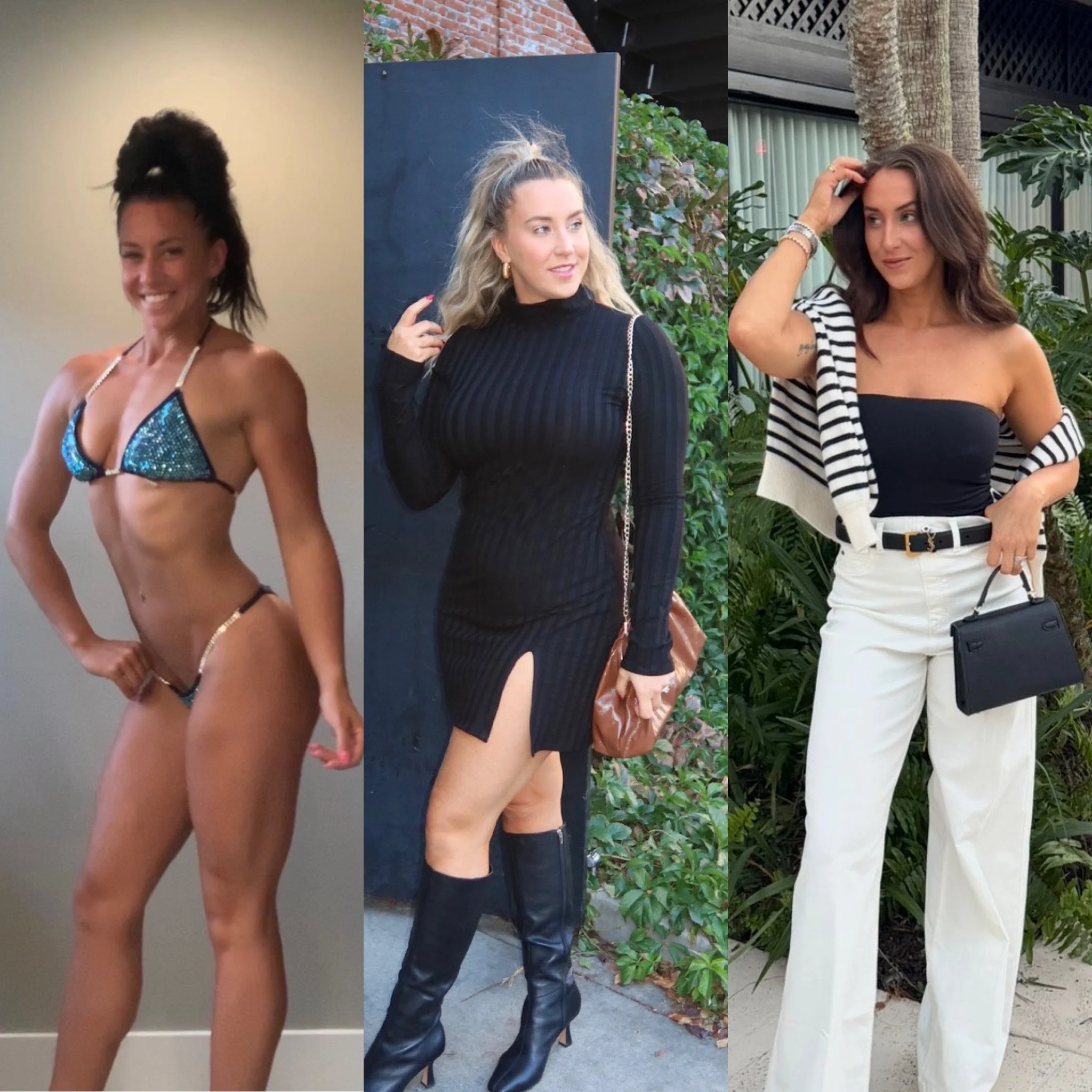
For the past couple of years one of the questions I get asked the most is:
“How did you lose 40 pounds?”
And the honest answer is — it wasn’t a single diet, a specific workout plan, or some overnight transformation. It was a combination of shifts that helped me rebuild my relationship with my body, my routines, and my health.
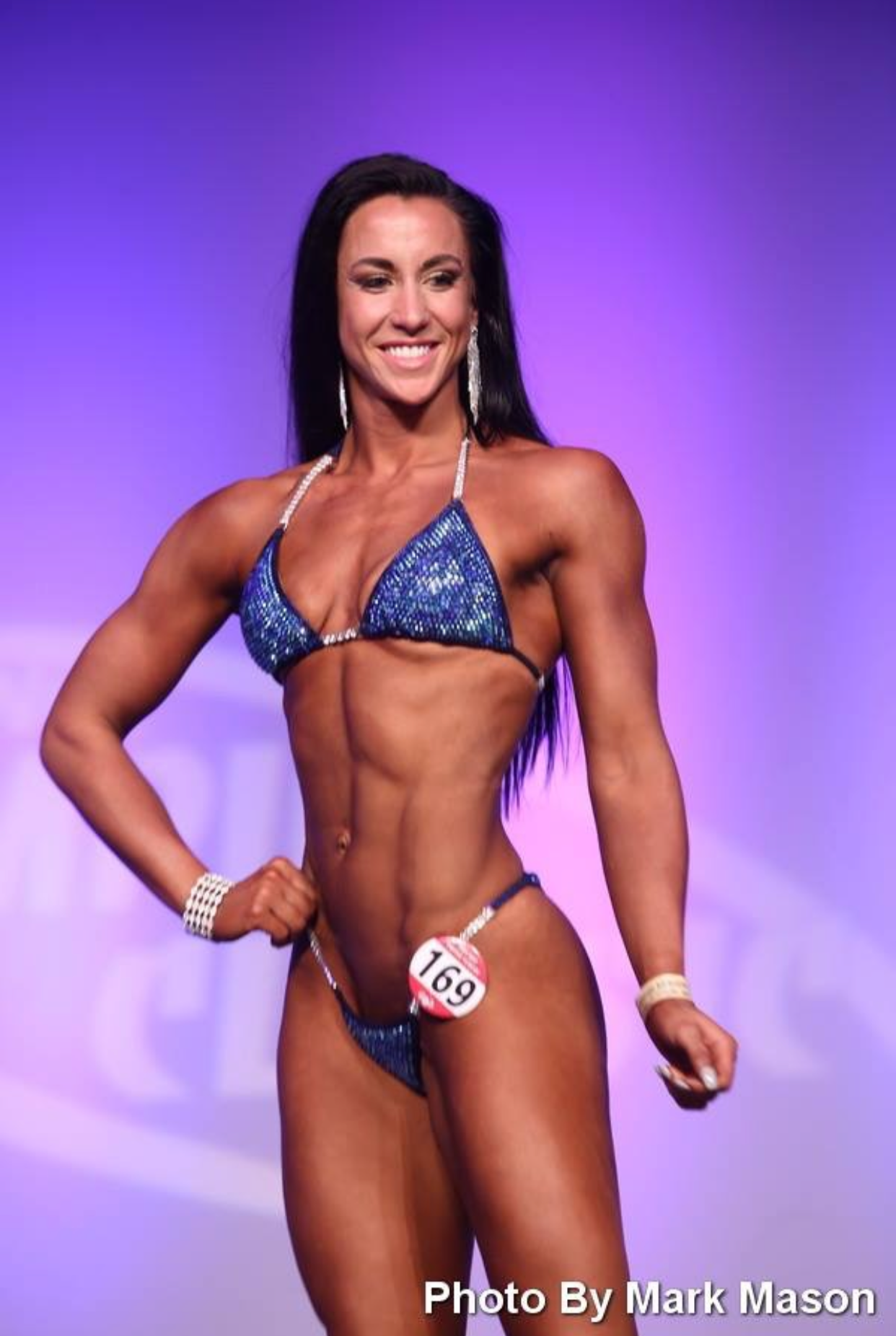
For context, I spent five years as a bikini bodybuilder, which meant my workouts and nutrition were extremely structured and focused almost entirely on aesthetics. Eventually I reached a point where I completely resented that lifestyle, so I did the opposite and stopped doing it altogether. Losing that routine, combined with already battling anxiety and depression for over ten years, took me to a place where I simply didn’t feel like myself anymore.
Eventually I hit a point where I was sick and tired of being sick and tired, and I knew something had to change.
Over the next two years I slowly lost 40 pounds, but more importantly I built routines that actually support my mental and physical health. Here are the three things that made the biggest difference.
1. Rebuilding My Mindset & Finding Joy in Movement
The first shift had nothing to do with calories or workout programs. It was changing how I thought about working out.
When I was bodybuilding, workouts often felt like punishment. They were something I had to do in order to achieve a specific look. When I started getting back into fitness, I knew I couldn’t go back to that mindset. Instead of focusing on how exercise made me look, I started paying attention to how it made me feel.
For the first time in years, workouts became a way to take care of myself instead of something I dreaded. More than anything, this phase became about building realistic routines I actually enjoyed and looked forward to.
To help myself get back into a consistent routine, I created my own version of the 75 Soft challenge (linked here).
The goal wasn’t perfection — it was consistency.
Instead of trying to overhaul my entire life overnight, I focused on simple habits like:
Moving my body daily
Drinking more water
Reading and focusing on mindset
Being more intentional with my routines
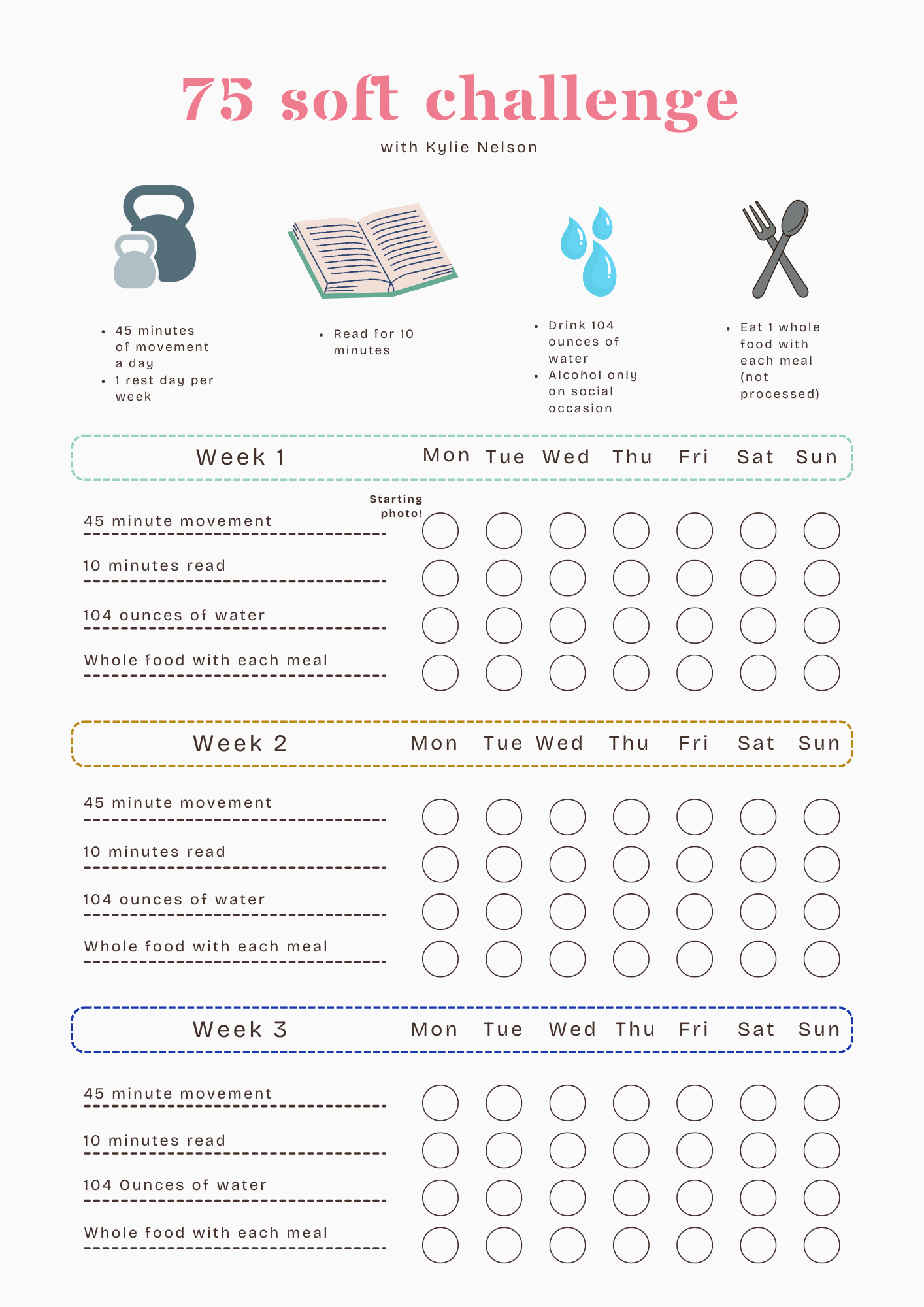
Those small habits helped me rebuild structure in my days without feeling overwhelmed. I also gave myself permission to try new things.
Instead of forcing myself back into the same bodybuilding-style workouts or going to Orangetheory, I started exploring different types of movement like:
Pilates
Performance-based training
Good ‘ol fashion walks outside
Trying new forms of movement helped me reconnect with fitness in a way that actually felt sustainable.
Tip if your workouts feel stagnant:
Sometimes the problem isn’t motivation — it’s that your routine has gone stale. Trying a new workout style, class, or environment can completely reignite your interest in moving your body.
2. Working With a Dietitian to Reset My Food Habits
Another huge step in my journey was working with a dietitian.
After years of bodybuilding-style dieting cycles, I knew I needed help rebuilding a healthier relationship with food. The gal I worked with is no longer at the gym I met her at, but Beartooth Performance is where I found her! Working with a professional helped me:
Focus on gut health
Rebuild sustainable food habits
Learn how to fuel my body properly
Move away from restrictive dieting cycles
Instead of chasing extreme plans, I started focusing on consistency and nourishment.This was a huge part of why my routines became sustainable long-term.
(If you're interested, I wrote a deeper breakdown about my gut health journey in another post on the blog.)
3. Getting My Hormones Tested
Another important step in my journey was getting a full hormone panel done at my local med spa, Top Deck Medical Aesthetics.
After years of intense training, dieting cycles, stress, and changes in my routines, I wanted to better understand what was happening inside my body. Instead of guessing, I worked with a nurse practitioner (Jamie Decker) who ran a full panel that looked at several key hormone markers including:
Testosterone
DHEA
Sex hormone binding globulin (SHBG)
Thyroid function
Vitamin levels
Cholesterol markers
Based on my results, we created a plan to support better hormonal balance. That included things like supporting progesterone levels, addressing vitamin deficiencies, and optimizing testosterone levels in a way that was appropriate for my body.
One thing my provider explained is that hormones affect far more than just weight. They play a role in things like:
energy levels
mood
metabolism
sleep
and overall wellbeing
We also planned follow-up labs a few months later to monitor progress and make sure everything was responding well.
Getting clarity on what my body actually needed helped ensure the healthy habits I was building — workouts, nutrition, and routines — were actually supported internally as well. While hormone balance wasn’t the only factor in my progress, it was an important piece of the bigger picture.
Hormones are incredibly individualized, so if you’re curious about testing, it’s always best to work with a qualified medical provider who can interpret your labs and guide you appropriately.
To wrap this up, I want to acknowledge that everyones are going to look different but I hope this can give you a couple different of perspectives 🩷